

Computational Thinking Implementation
The Vision: A K-8 CS/Engineering Pathway for All
The vision behind KIPP’s Computational Thinking Project is to enable schools to create K-8 pathways where ALL students are doing engineering and computer science in every grade from Kindergarten through 8th grade.
We believe that students with these learning experiences will go on to choose Engineering and CS courses at their high schools and in college.
But students can't elect a career pathway they've never had the chance to see themselves in: research shows that stereotypes about who "belongs" in CS/engineering form as early as age six, causing girls and students of color to disengage years before high school CS courses are even offered.
And research also makes clear that exposure alone isn't enough — what matters is the quality of that exposure, sustained over years, not a single unit or elective checked off a list. We've seen this play out firsthand. CT implementation in our own K-8 schools has fueled growth in CS and Engineering enrollment at the high school level, and in college admissions that follow.
Implementation Guide
Thinking about Implementing KIPP’s Computational Thinking Curriculum in your own school or district? There’s a lot of considerations, from scope and sequence to budget to buy-in.
See our CT Implementation Guide for a planning checklist and things to consider. And please feel free to reach out using our contact form.
Incorporating the CT Units into Your Academic Program
We have seen schools successfully incorporate the KIPP CT units into their academic programs in the following ways:
After a corresponding Science unit as part of a yearlong Science class scope and sequence
As part of a separate STEM “exploratory” or “specials” block
As stand-alone units at the end of the year.
We have mapped each CT unit to corresponding Amplify Science and OpenSciEd units to facilitate curricular connections and build on anchor phenomena. Below are example scope and sequences that show how schools can integrated the curriculum into their existing Science curriculum.
Lessons From Implementation
What Seven Years of CT Work Taught Me
by Sean Tamarisk, former Director of K-8 Science at KIPP Massachusetts
When I helped found the KIPP Computational Thinking project seven years ago, along with other KIPP educators, we asked ourselves: what would a comprehensive K-8 computer science/engineering pathway look like for our schools? One that helped break down barriers and get ALL students, including traditionally underrepresented students, to be the ones driving, rather than consuming, technology? One that helped them see themselves as programmers, builders, and thinkers, prepared for a future STEM career?
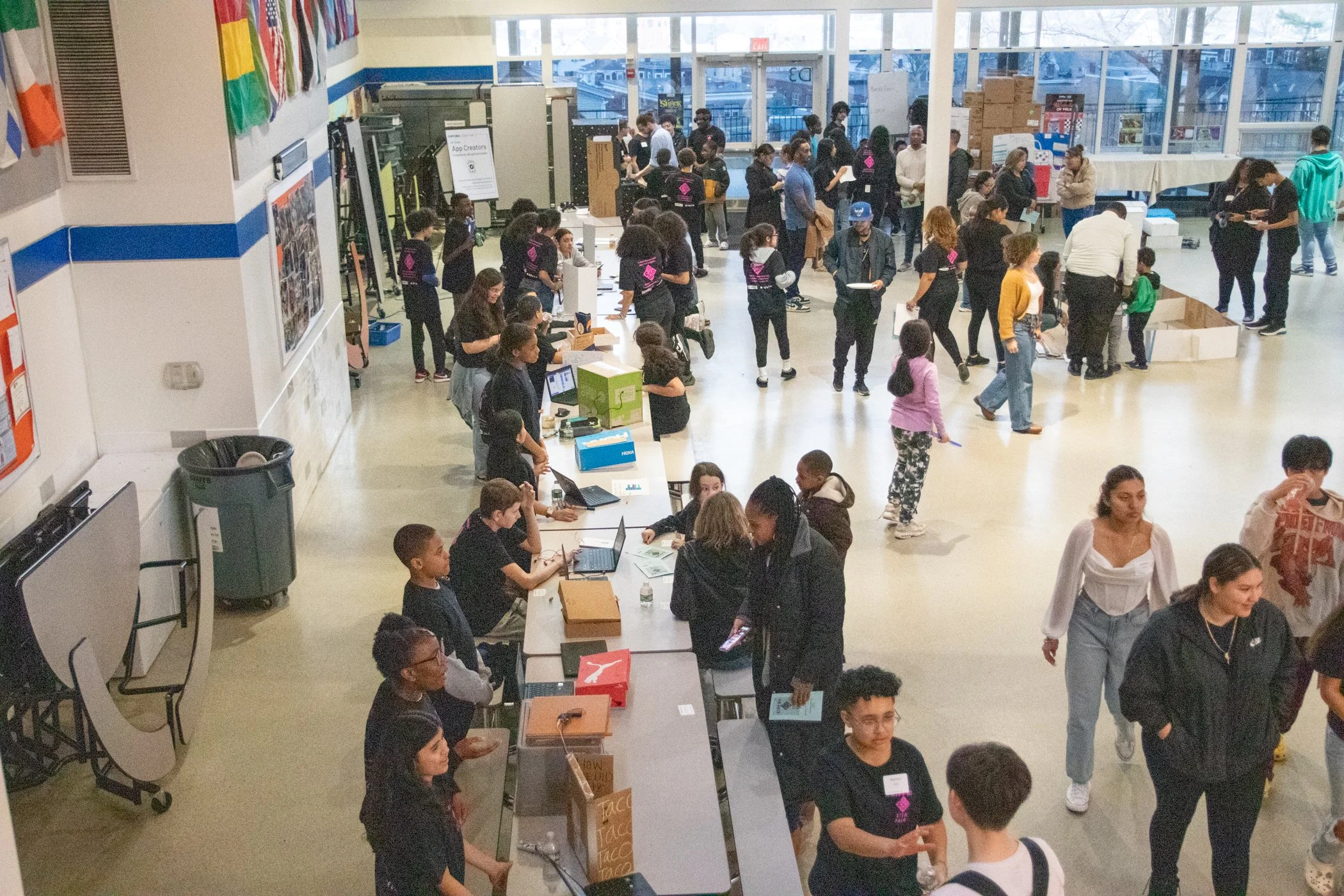
Seven years later, I found my answer, and it was much more than what I expected. If you want to understand why I believe in this work, you don't need a research citation, you need to walk through one of our STEM showcases.
How Families Became Our Best Advocates
by the KIPPNYC Teaching & Learning staff
When we first began rolling out the Computational Thinking units in our KIPP NYC elementary pilot schools, we didn't expect computational thinking to make much of a splash with our schools’ families. But it did.
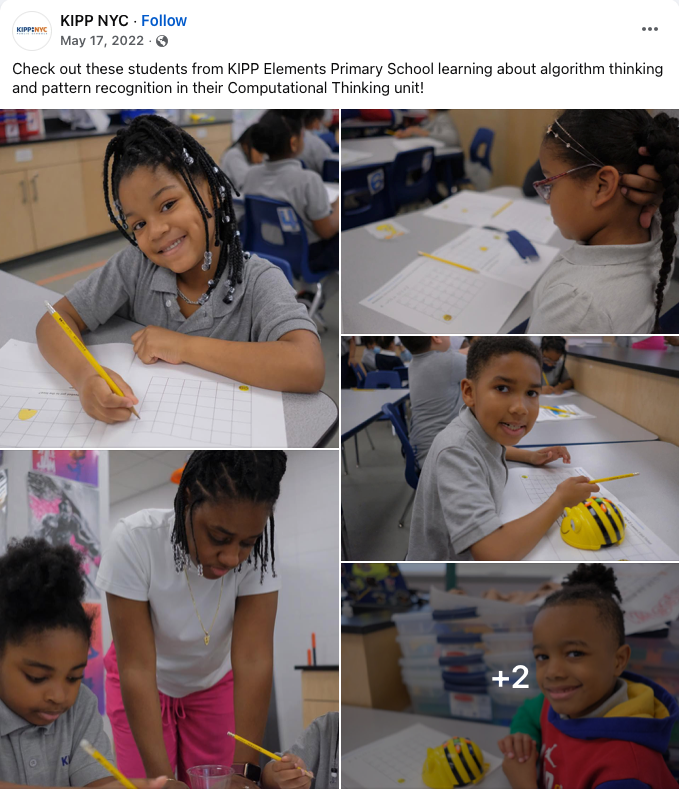
It starts small. A photo posted to a school's Facebook or Instagram page shows a class programming with Bee-Bots, or a short video shows a student explaining the code behind their Scratch game. Parents comment. They tag other parents. A five-second clip of a kid debugging a robot often gets more engagement than almost anything else a school posts, because it’s a Kindergartener doing something we didn’t expect a Kindergartener to be capable of.