
Lessons from Implementation:
What Seven Years of CT Work Has Taught Me
By Sean Tamarisk, former Director of K-8 Science at KIPP Massachusetts
When I helped found the KIPP Computational Thinking project seven years ago, along with other KIPP educators, we asked ourselves: what would a comprehensive K-8 computer science/engineering pathway look like for our schools? One that helped break down barriers and get ALL students, including traditionally underrepresented students, to be the ones driving, rather than consuming, technology? One that helped them see themselves as programmers, builders, and thinkers, prepared for a future STEM career?
Seven years later, I found my answer, and it was much more than what I expected. If you want to understand why I believe in this work, you don't need a research citation, you need to walk through one of our STEM showcases.
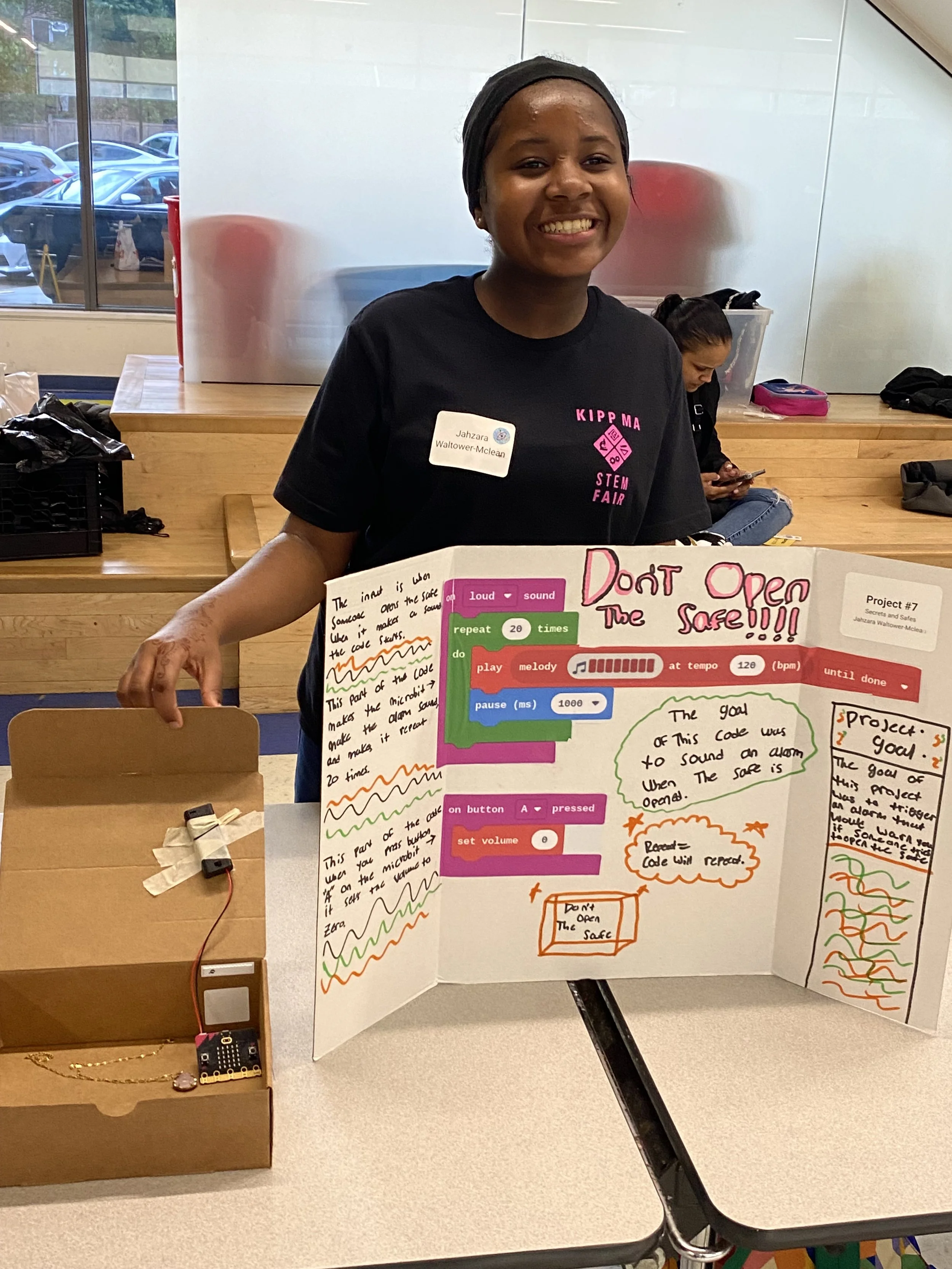
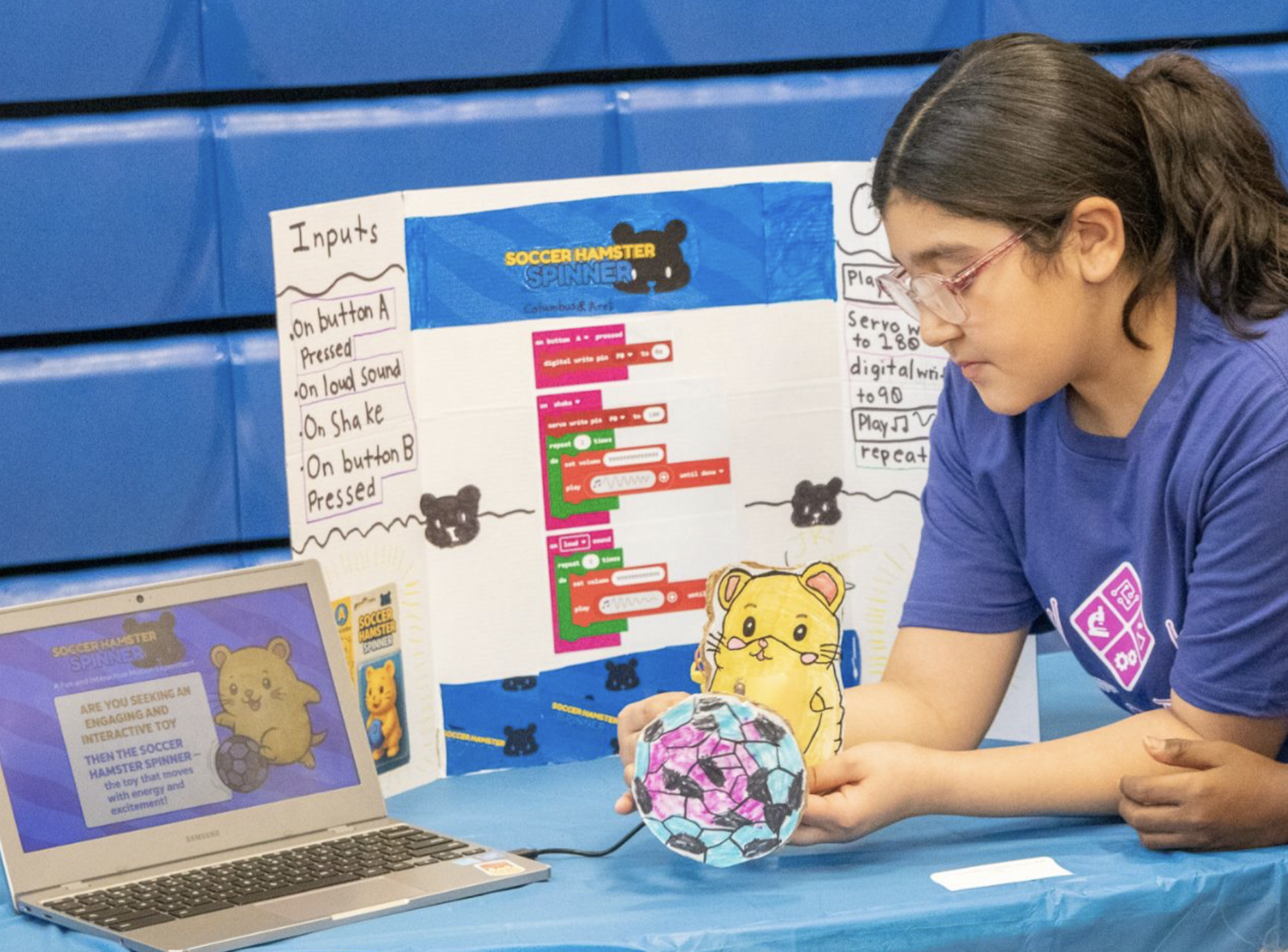
Picture a gym, tables lined up in rows, two hundred students standing behind their projects. A robotic toy animal built to interact with its owner. A Scratch Jr. game that teaches younger kids how to recognize patterns. A Micro:bit-powered alarm system a 6th grader built to remind her little brother to wash his hands.
These aren't dioramas glued together the night before, or erupting volcanoes students copied the recipe for online. These are the projects our students have spent weeks, sometimes months, building as part of their regular CT coursework, the same units you'll find in our curriculum pages.
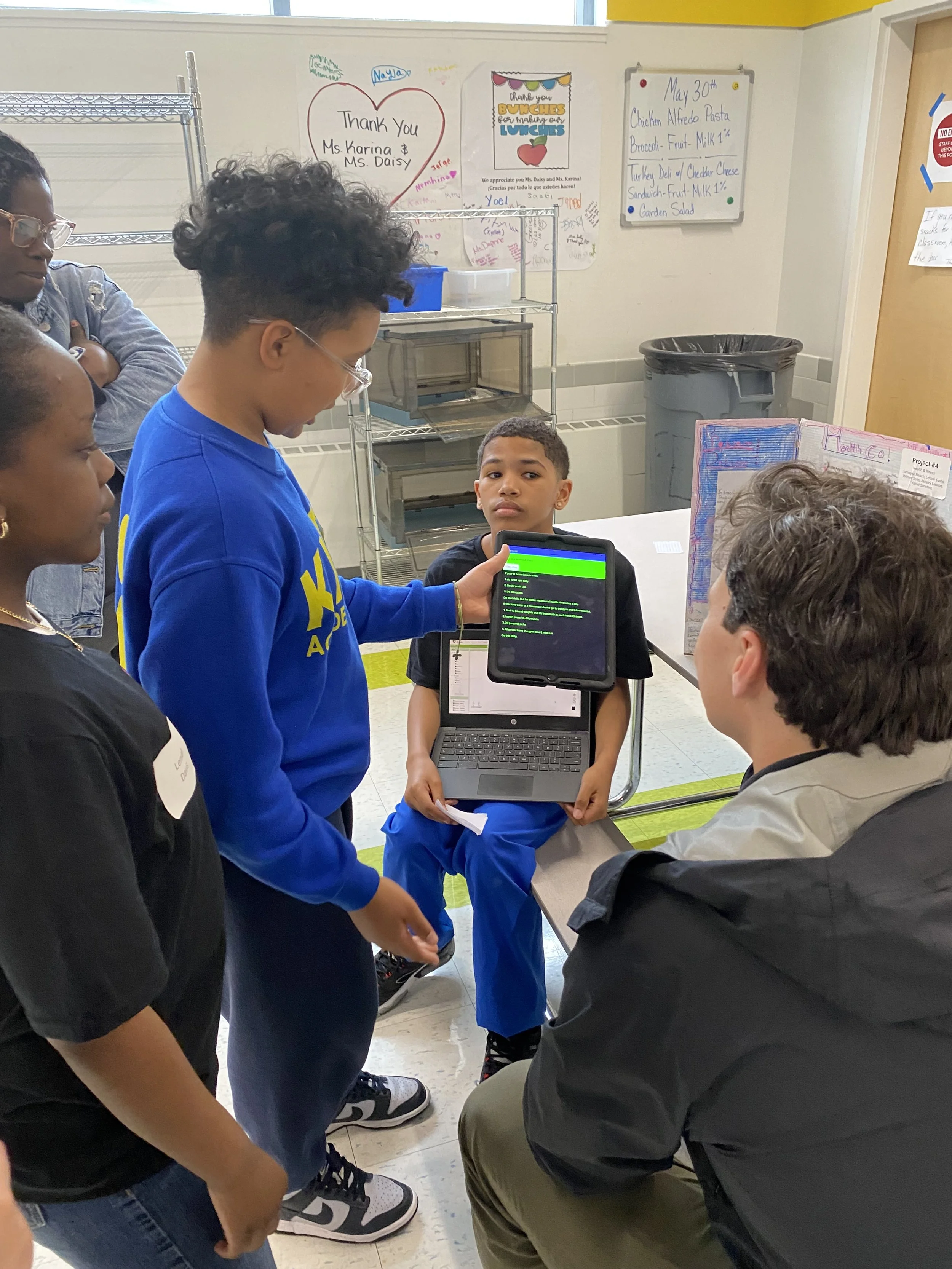
When you stop and ask a student to explain their project, they don't just shrug and mumble. They walk you through their design process, what didn't work the first time, how they debugged it, why they made the choices they made. It’s pretty cool to hear nine-year-olds talking fluently about iteration and failure like it's the most natural thing in the world. Even cooler when they’re explaining it to the actual, seasoned engineers who serve as our guest judges for the showcases.
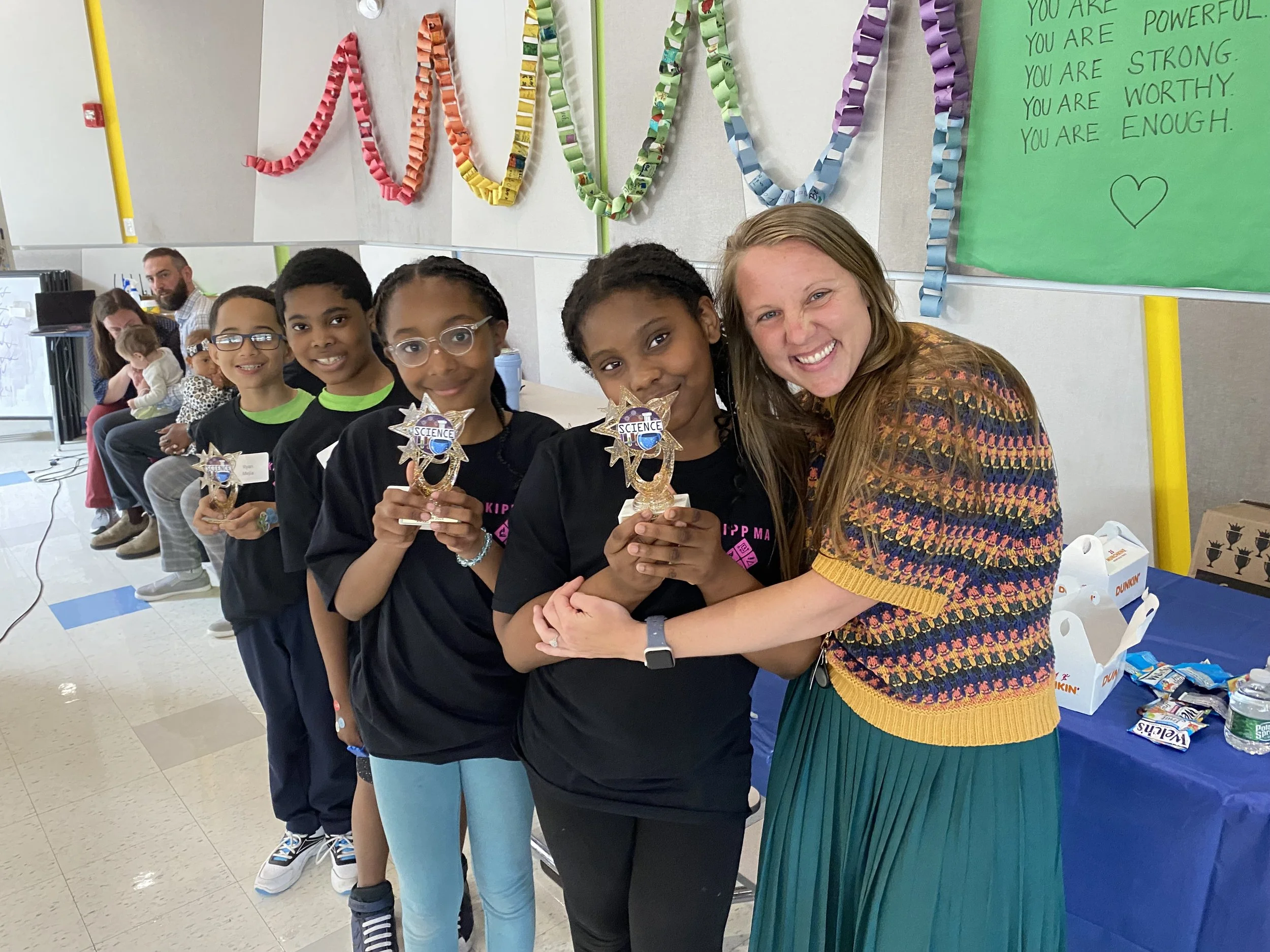
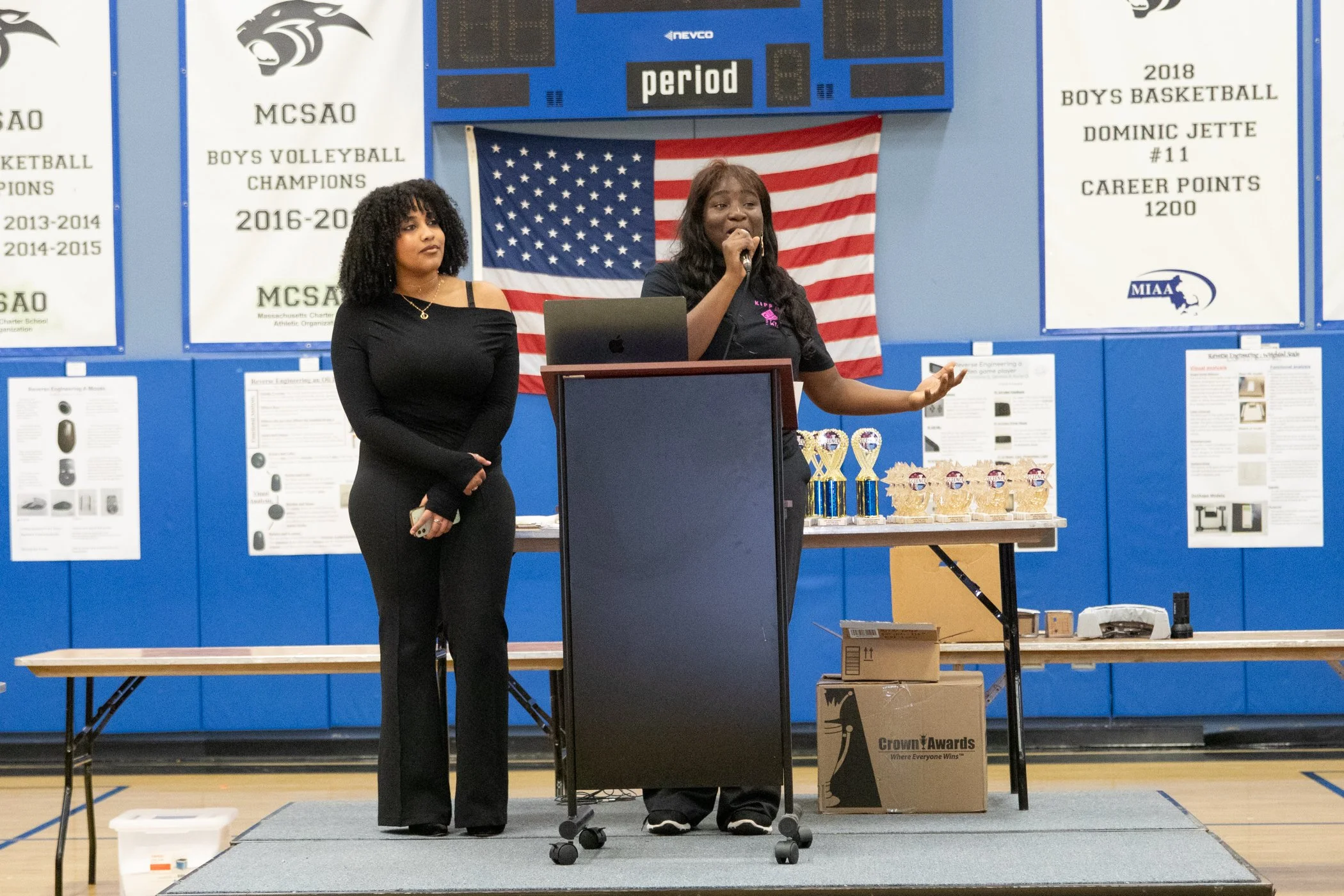
And when the big moment finally arrives, and the award winners are announced on stage in the gym, you see the biggest nerds in the school be celebrated by their peers like a varsity sports team after a championship win.
The shine doesn’t fade when the celebrations are over, it’s now part of the culture: months and years later, students are still wearing their KIPP STEM Fair T-shirts to school like badges of honor. You hear about it in Science classrooms at the start of a new unit: "Is this unit a STEM Fair unit?" Kids asking, hoping, whether they're about to have a shot at building something that gets them to the Fair. That question, asked by a 7th grader recently, tells you something has genuinely shifted in your STEM program. The cool kids are the ones who use STEM to shape their world.
I've watched that shift ripple all the way up. Students who came through our K-8 CT pathway are opting in to our high school engineering electives pathway in greater and greater numbers, not because counselors are telling them to, but because they already think of themselves as the kind of student who builds things, who debugs things, who isn't afraid of a problem that doesn't have an obvious answer.
And I've watched it change the adult culture too. Teachers or APs who used to measure a good STEM lesson by what percent of students answered an MCAS question correctly on the exit ticket now think about to what extent kids can tackle a hard problem, break it into smaller pieces, work through solutions with a team, and explain what they built and how it will solve the problem. Communication, collaboration, decomposition, coding, physical computing have become part of the daily language of our classrooms.
While I’m not a researcher and I don't have surveys and studies at KIPP Massachusetts to prove this will work anywhere, I do have seven years of seeing what happens when kids get to build things that matter to them, with adults who care for them, push them, and celebrate what they make.
As the Director of K-8 Science at KIPP Massachusetts until 2025, and the lead curriculum writer for the CT project, I was one of the early adopters, and I brought it to our elementary and middle schools in Boston and Lynn. Early on, I made the decision to encourage and create classroom, school, and district-level showcases as part of our CT implementation. I didn’t realize the impact that students’ preparing for and presenting to a real audience would have, but I’m grateful it had the impact it did!
Beyond choosing the units carefully, training teachers, supporting implementation, and measuring impact, from a curriculum perspective, the units ran themselves. I can count on high quality teaching and learning whenever I observe a classroom in the middle of a CT Unit, and moreover, I can count on students being engaged and excited about what they were learning.
Now that I’ve moved on from KIPP Massachusetts and am now working as a STEM coach at Malden Public Schools, next door to Lynn, my hope is to bring Computational Thinking to our five K-8 schools here, and watch as it shifts the culture in immeasurable ways.