
Curriculum Overview
The KIPP Computational Thinking Curriculum is a free, open-source K-8 curriculum developed by classroom educators, and funded through the nonprofit Robinhood Foundation. It is intended to supplement core Math, Science, and ELA instruction with mini-units that introduce or reinforce Computer Science, Engineering, Science, Math, and ELA standards through a hands-on Computational Thinking, Project-Based approach. Each mini-unit can be taught after a corresponding Science unit as part of a yearlong scope and sequence, as part of a separate STEM “exploratory” or “specials” block, or as stand-alone units in whichever block or part of the school year makes sense for your context. The example scope and sequences below show how some of our schools have integrated the curriculum into their existing Science scopes.
Computational Thinking Unit Progression
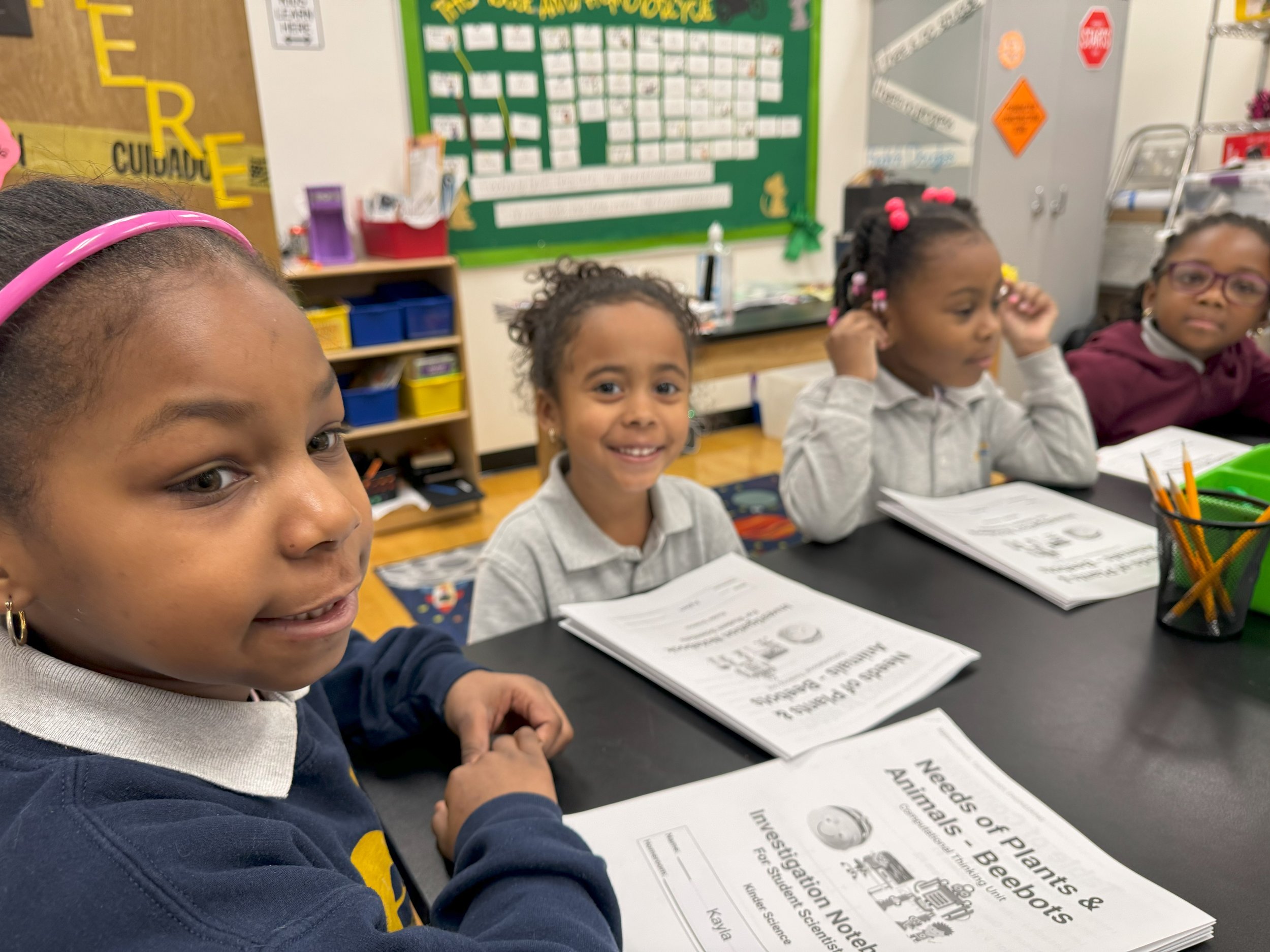
Kindergarten - 1st Grade
K-1 units emphasize hands-on projects and storytelling to develop simple sequencing, pattern recognition, and algorithmic thinking skills. Students work with Beebots, Scratch Jr., and other digital and physical tools to model STEM concepts such as plant and animal survival, light travel, and patterns of earth and sky.

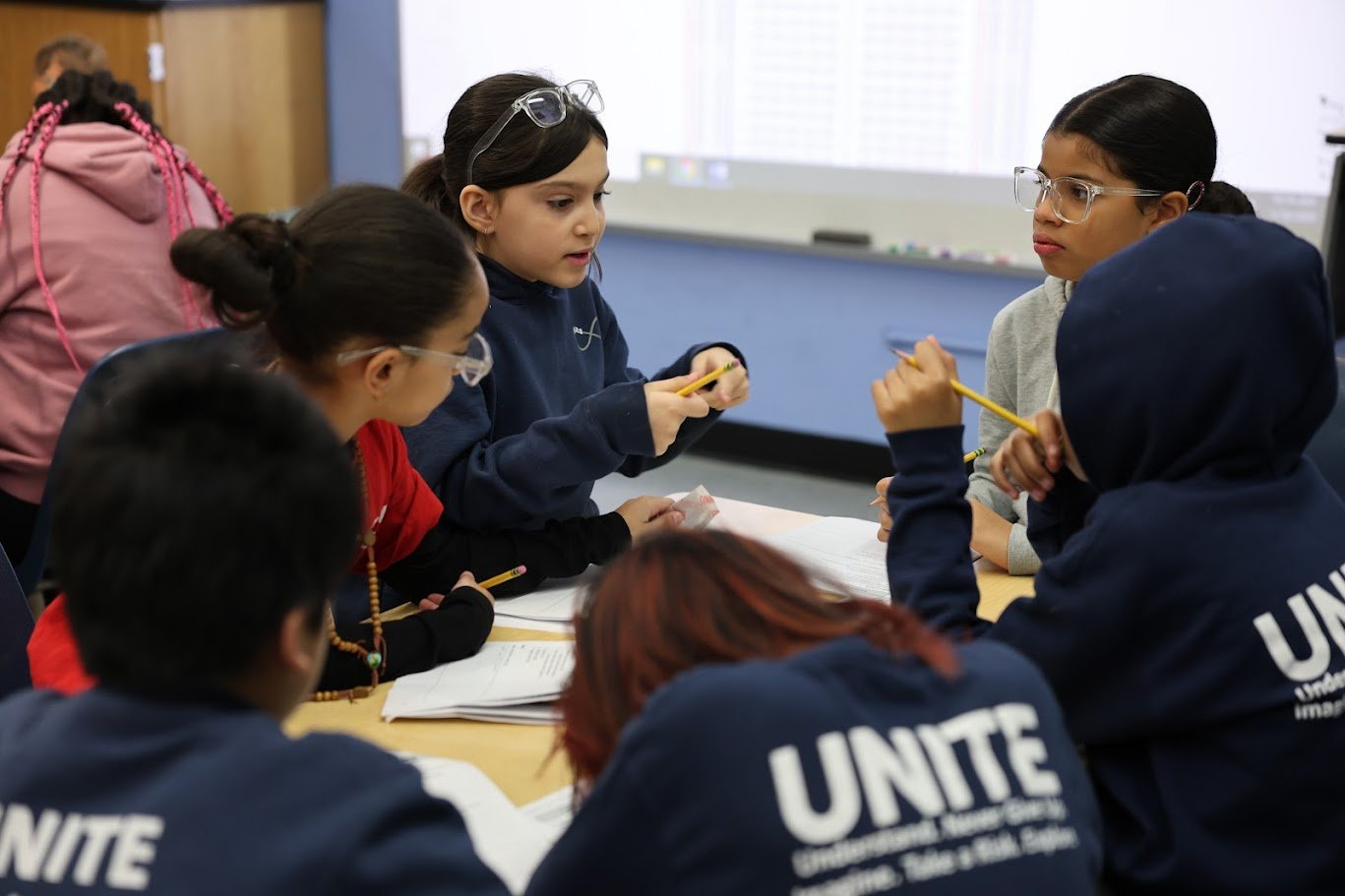
2nd - 3rd Grade
In Grades 2-3, students deepen their computational thinking skills through more advanced coding and problem-solving tasks and collaborative projects. They design their own video games in Scratch Jr., learn about electromagnets in Scratch, design 3-dimensional aliens that follow predictable heredity patterns in TinkerCad, and help the environment by designing toy building algorithms using recycled materials.
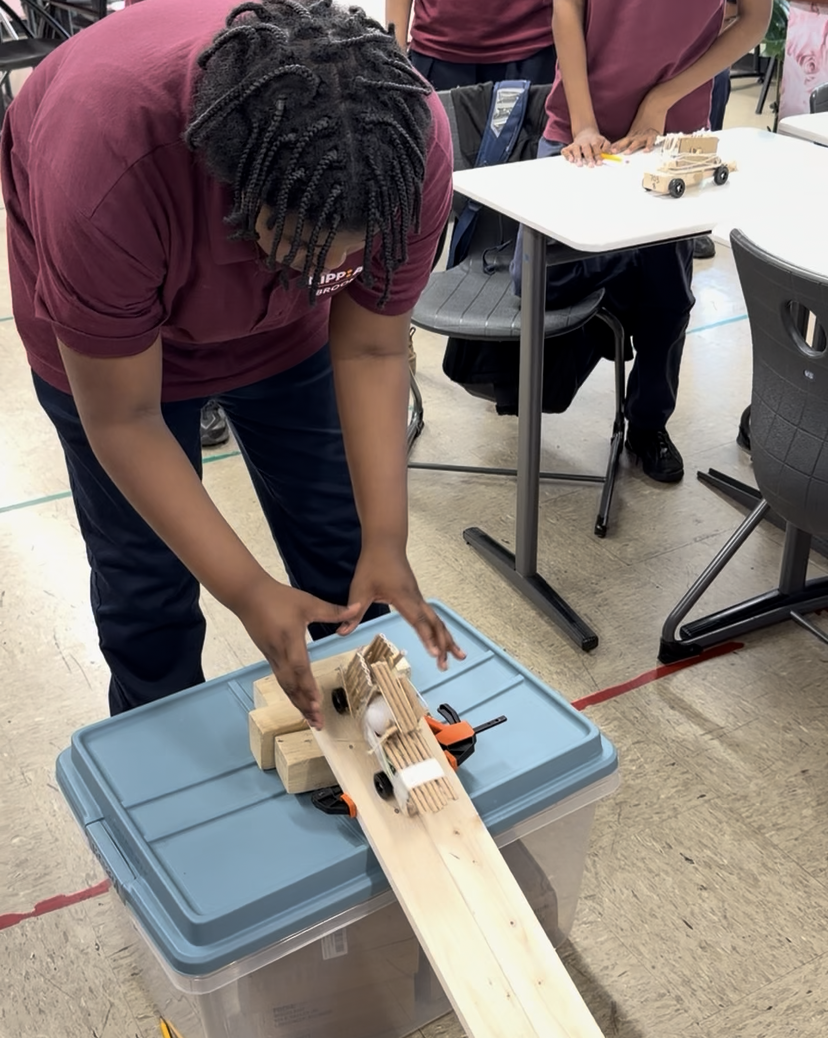
5th-8th Grade
In our 5th-8th grade units, students apply their computational thinking skills with increasing independence to develop more advanced projects: they create a device to insulate vaccinations, use MicroBits to set up remote monitoring systems at theme parks, design safety systems for vehicles that reduce collision force, and create their own educational chatbots with Playlab.
4th Grade
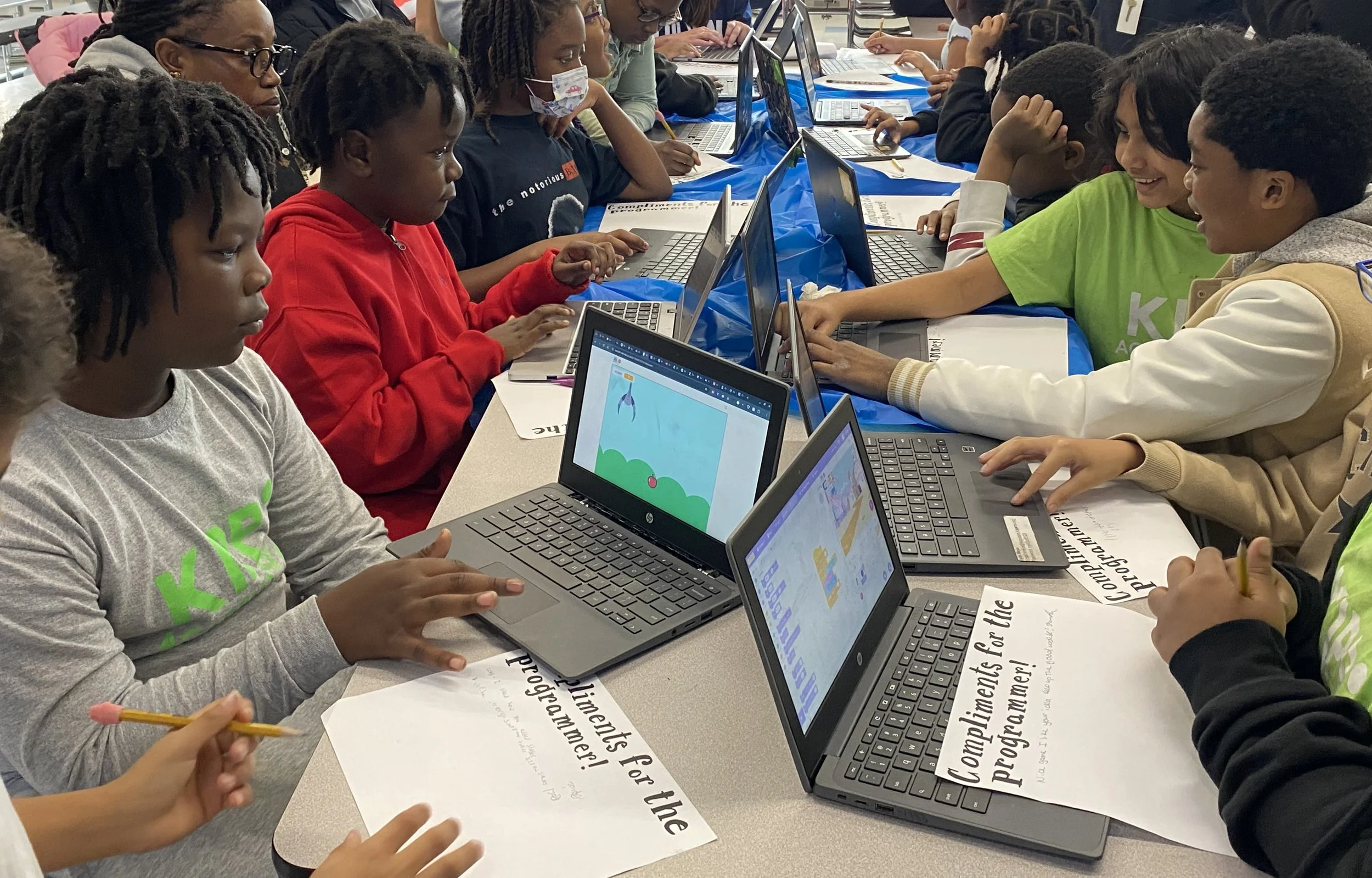
In our 4th grade units, students delve into more advanced coding with Scratch, and into Physical Computing with MicroBit and Makey Makey. They learn about circuits, electricity, and energy transfer so they can model city infrastructure, and design their own interactive toy animals. They grow their abilities and tackle increasingly complex problems through their application of computational thinking practices and the engineering design process.


Curricular Features
Equity-Based STEM Content
Each grade level features uniquely designed modules that align with the developmental and academic needs of K-8 students in any context. The curriculum covers a broad spectrum of NGSS standards through the lens of computational thinking, from understanding life cycles in Kindergarten to exploring energy transfer in 4th grade, with content grounded in equity and community.
Physical & Digital Projects
Whether it's through unplugged computational thinking, physical computing, coding, or other activities, students get to experience an immersive integrated curriculum. Physical and digital projects range from Beebots to Scratch Coding to MicroBits to vaccine insulators to pine cars. Choose the materials that make the most sense for your context.
We have embedded Computational Thinking units to be flexible and adaptable to a wide variety of school settings, schedules, and systems. All units are accessed and editable in Google Drive, and are designed like the ones shown below:
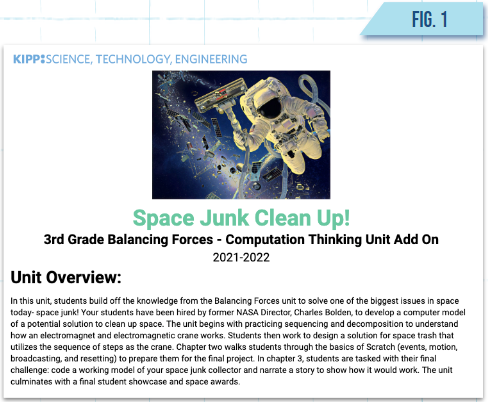
Mini-units are designed to extend students’ understanding of the core science content while developing their computational thinking skills and gaining exposure to different kinds of software and hardware. Fig. 1
Students engage in a variety of activities through their computational thinking-integrated science lessons, often starting out with student-led inquiry-based activities that lead into teacher-led whole and small group instruction. Fig. 3

Real World Application
Each unit is crafted to not only teach theoretical concepts but also to demonstrate their application in real-world scenarios and design/engineering challenges, thereby enhancing students’ understanding and appreciation of science, technology, and engineering. Each unit is aligned with national grade-level standards in Computer Science (CSTA), Science (NGSS), Math and ELA (Common Core).
Each mini-unit is aligned to the CSTA standards along with national literacy and science standards. Fig. 2

Each mini-unit concludes with a project-based assessment that lasts between one and three days. Each project is scored using a simple rubric that assesses both science and computational thinking concepts. Fig. 4

Observe a Computational Thinking Classroom
4th Grade “Toy Animals” Unit
1st Grade “Stories of Survival” Unit
All curriculum as part of KIPP:CT are covered under the Creative Common License below:
This license enables reusers to distribute, remix, adapt, and build upon the material in any medium or format for noncommercial purposes only, and only so long as attribution is given to the creator. If you remix, adapt, or build upon the material, you must license the modified material under identical terms. CC BY-NC-SA includes the following elements:
For additional information about adaptation or use please contact: For any questions about proper attribution of resources, contributions and/or ideas please contact Carolyn Petruzziello at cpetruzziello@kippnyc.org

