

Computational Thinking Implementation
The Vision: Computational Thinking for All
The KIPP Computational Thinking Project is dedicated to creating K-8 pathways where every student — not just the ones who already see themselves as “good” at Math, Science, or Technology — is exposed to engineering and computer science from Kindergarten through 8th grade. Students can't elect a career pathway they've never had the chance to see themselves in: research shows stereotypes about who "belongs" in CS/engineering form as early as age six, causing girls and students of color to disengage years before high school CS courses are even offered.
But research also makes clear that exposure alone isn't enough — what matters is the quality of that exposure, sustained over years, not a single unit or elective checked off a list. We've seen this play out firsthand — CT implementation in our own K-8 schools has helped fuel real growth in CS and Engineering enrollment at the high school level, and in the college majors that follow.
By high school, we want students choosing these courses not because they're taking a leap, but because they've spent a decade building the skills and identity to know they belong there.

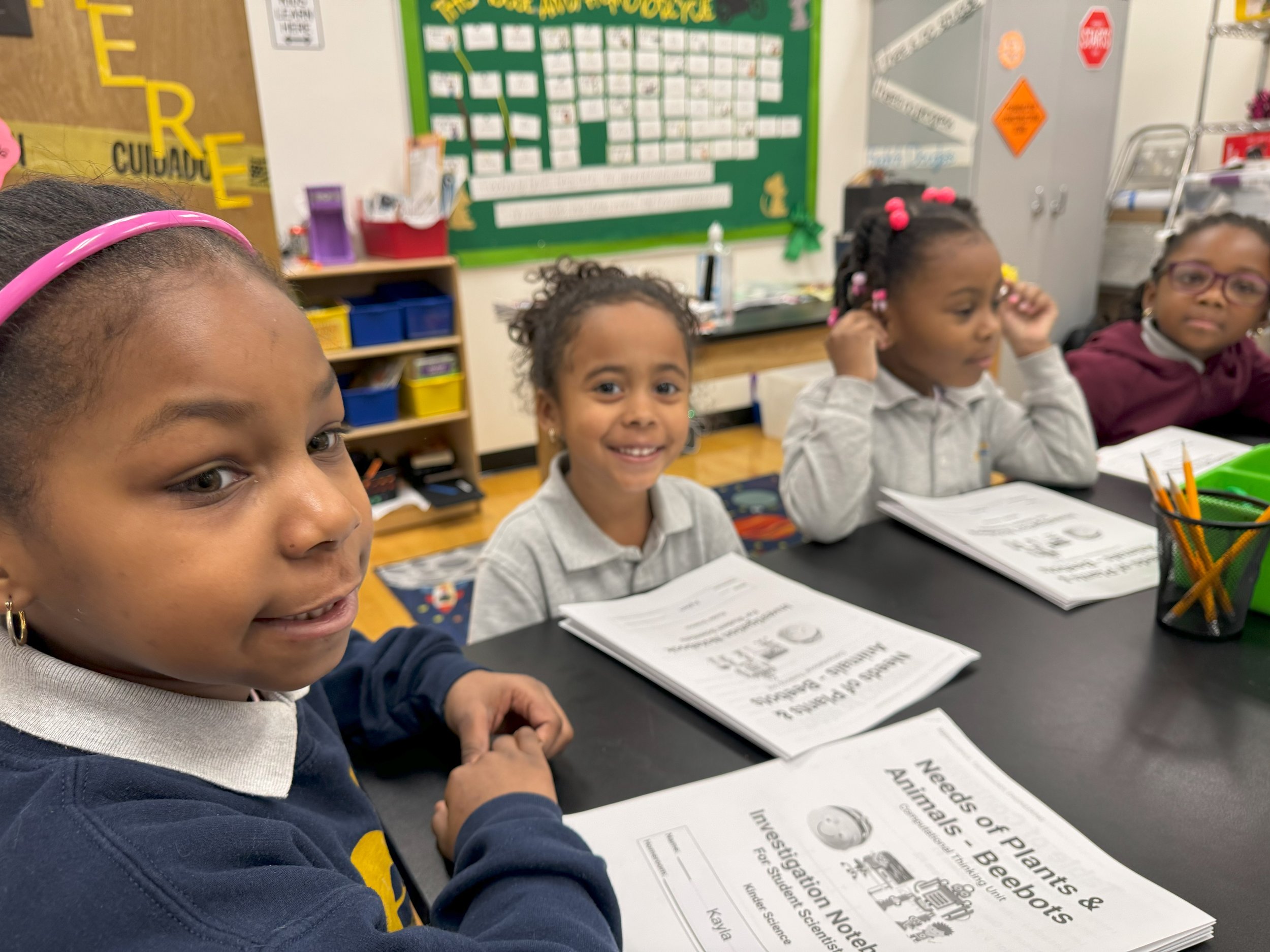
Observe A Computational Thinking Classroom
Implementation Nuts & Bolts
See our CT Implementation Guide below for a planning checklist and considerations related to staffing, budget, and buy-in. And please reach out for full curriculum access, using form on the contact page.
How the KIPP CT project Changed the Culture of STEM across our district
Computational Thinking and Family Engagement
We have embedded Computational Thinking units to be flexible and adaptable to a wide variety of school settings, schedules, and systems. All units are designed like the one showcased below:
Resources and Tools for Educators
Providing educators with the right resources and tools is crucial for the successful integration of computational thinking into the curriculum. This includes access to high quality curriculum, best practices, and selecting software/hardware that is age-appropriate and engaging for students.
Professional development opportunities, such as workshops and online courses, are also essential for teachers to stay abreast of the latest teaching methods and technologies in computational thinking. We are in the process of developing professional development on Computational Thinking and Implementation of Computational Thinking. By equipping educators with these resources, we ensure that they are well-prepared to guide their students in this innovative learning journey.